Virtual reality (VR) has revolutionized interactive experiences, allowing users to immerse themselves in digital environments. However, for those who wear glasses, the question often arises: can you wear a VR headset with glasses? This concern is paramount for potential users, as comfort and visual clarity directly influence their VR experience. Understanding the compatibility of glasses with various VR headsets, particularly brands like GOOVIS, is essential for a satisfactory foray into virtual realms.
The Compatibility of Glasses with VR Headsets
Many VR headsets are designed to accommodate users with glasses. The importance of this feature cannot be overstated, as it ensures that those dependent on corrective eyewear can participate in VR experiences without compromising their vision. Most traditional VR with headsets provides enough internal space for users to wear their glasses comfortably. Features like adjustable straps and padding can enhance this experience, although individual comfort may vary.
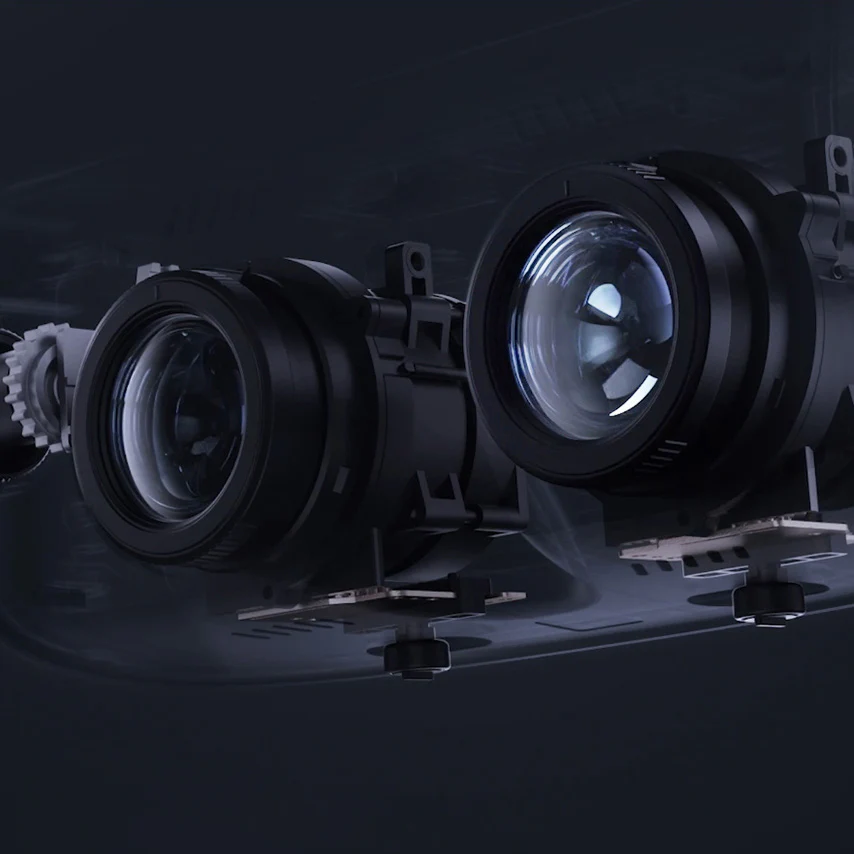
However, some brands, like GOOVIS, have taken this consideration a step further. GOOVIS head-mounted displays come equipped with hardware-level diopter adjustments. This functionality allows users to fine-tune the lens settings according to their specific prescription needs, enabling a clear view without the necessity of wearing glasses. This innovation alleviates common discomfort associated with wearing a headset over glasses, such as pressure points or misalignment, which can detract from the immersive qualities of VR.
Choosing the Right Headset for Glasses Wearers
When selecting a VR headset with glasses in mind, users should explore several features to ensure compatibility. Firstly, the headset’s internal space should be ample enough to accommodate glasses without causing discomfort. Adjustable lenses, like those found in GOOVIS devices, greatly enhance usability for individuals with varying prescription strengths.
Additionally, the ability to adjust the inter-pupillary distance (IPD)—the distance between the centers of the eyes—can further optimize the experience for glasses wearers. Proper IPD settings minimize potential distortion and enhance the overall clarity of the visuals. Users should also consider the weight and design of the headset, as a lightweight, ergonomically designed model can reduce fatigue during extended use.
Ultimately, finding a VR headset that suits both the needs of glasses wearers and the immersive quality of VR can be a balancing act. The GOOVIS brand stands out in this respect, providing users with a unique optical system that minimizes distortion and enhances visual quality, making it an ideal choice for those who require optical corrections.
Ensuring Comfort and Clarity in Virtual Spaces
In summary, wearing a VR with headset is not only possible but can also be optimized for comfort and clarity. Brands like GOOVIS have pioneered solutions that cater specifically to glasses wearers, making immersive experiences accessible to a broader audience. By understanding the features that facilitate compatibility, users can confidently explore virtual landscapes without the hassle often associated with traditional eyewear.
