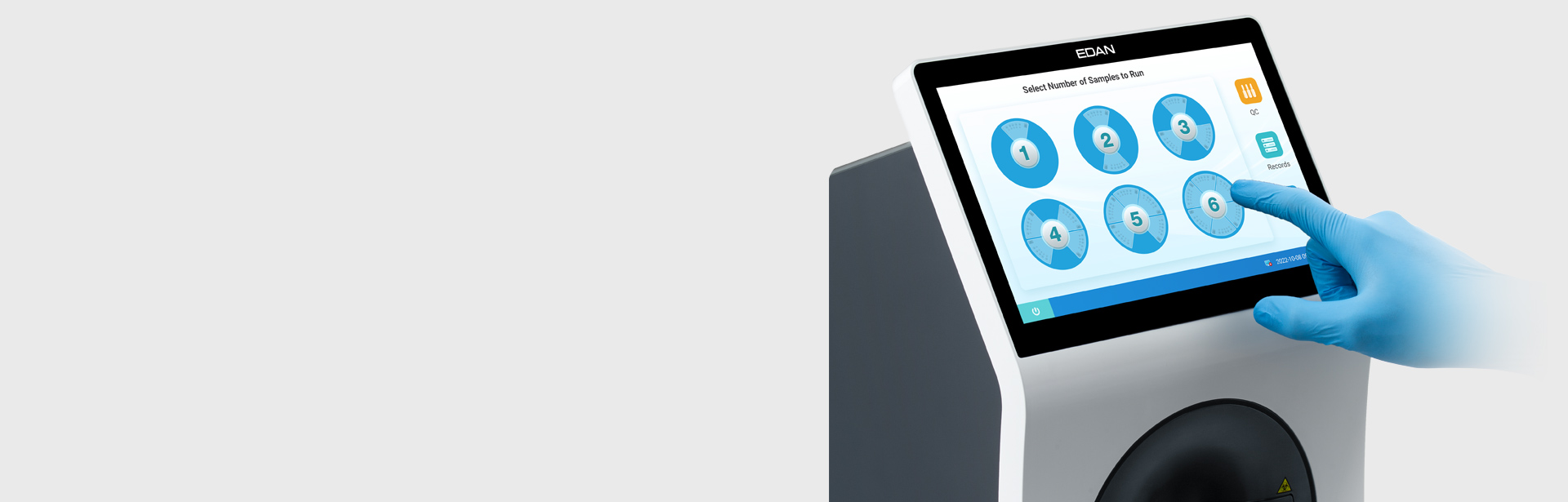
Ensuring accuracy and reliability in molecular diagnostic testing depends not only on the quality of the instruments used but also on the skills and proficiency of laboratory personnel. As molecular methods become more prevalent across clinical and point-of-care environments, consistent staff competency ensures that results are dependable and that patient care decisions are supported with confidence. For facilities utilizing advanced tools such as the molecular diagnostic system EDAN CL30, investing in proficiency testing for staff plays a vital role in maintaining high standards of performance.
Understanding the Role of Proficiency Testing in Molecular Diagnostics
Proficiency testing involves evaluating laboratory staff through regular assessments of their ability to perform specific analytical procedures and interpret results correctly. In the context of molecular diagnostic testing, this is essential because the processes often involve delicate steps such as sample handling, nucleic acid amplification, and data interpretation. Variability in any of these stages can influence outcomes and compromise the reliability of results. Regular proficiency testing provides a structured way to identify knowledge gaps and reinforce consistent adherence to established protocols, improving overall test quality and laboratory credibility.
Accreditation standards and quality frameworks in clinical laboratories frequently require documented evidence that staff demonstrate ongoing competence with specific technologies. This includes documentation showing that personnel are familiar with instrument operation, proper sample preparation, troubleshooting, and result confirmation. Proficiency testing serves this requirement and reinforces a culture of quality where personnel remain engaged with evolving best practices in molecular diagnostic testing.
Proficiency Testing and the EDAN CL30 Molecular Diagnostic System
For laboratories implementing the EDAN CL30 molecular diagnostic system, proficiency testing takes on additional importance. The CL30 uses loop-mediated isothermal amplification (LAMP) technology to provide rapid results, making it suitable for use in both clinical and mobile settings where time is critical. Familiarity with the procedural nuances of the CL30, such as loading cartridges, managing its intuitive interface, and understanding its rapid turnaround protocols, ensures that operators can maximize the system’s value in routine workflows.
EDAN CL30’s extraction-free approach and multi-parameter capabilities offer operational advantages, but only if staff are confident and proficient in its use. Proficiency evaluations help laboratories confirm that personnel can consistently execute tests with minimal errors and interpret results accurately in high-pressure scenarios.
Conclusion
Staff proficiency testing is a foundational aspect of any quality molecular diagnostic testing program. It strengthens confidence in results, supports compliance with regulatory standards, and enhances the effective use of instruments like the EDAN CL30 molecular diagnostic system. By committing to regular proficiency assessments, laboratories can ensure that both personnel and technology work together to deliver reliable, timely diagnostics for improved patient outcomes.
