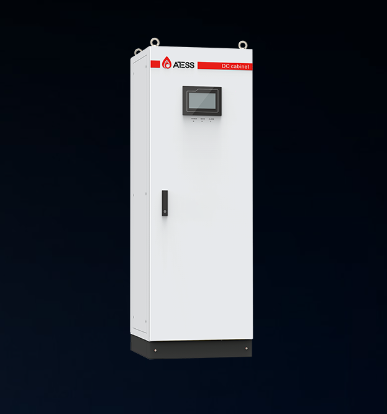
Energy management requires robust infrastructure to house sensitive components safely. Modern power systems rely on high-capacity cells that demand precise environmental control and structural integrity. A well-designed battery storage cabinet serves as the foundation for these installations, protecting equipment while ensuring operational consistency.
Structural Requirements and Safety
Engineers design a durable battery cabinet to withstand mechanical stress and environmental fluctuations. The enclosure provides a secure environment, preventing unauthorized access and shielding internal hardware from dust or moisture. Because they operate continuously, these units incorporate ventilation strategies to manage thermal output effectively. Atess incorporates specific safety mechanisms within their enclosures to mitigate risks associated with high-density energy storage, ensuring that the hardware remains functional over extended periods.
Thermal Management and Integration
Effective temperature regulation remains essential for longevity. A professional battery storage cabinet includes integrated thermal management systems that adjust based on internal conditions. By housing multiple modules together, the system architecture allows for efficient heat dissipation and simplified wiring. When deploying these solutions, engineers often look for designs that support modular expansion, which provides flexibility as energy needs change. They prioritize accessibility for routine maintenance tasks, helping operators monitor system status without disruption.
Operational Efficiency
Reliable performance depends on how effectively these cabinets integrate with broader power electronics. Consistent monitoring allows operators to track voltage and current levels across the battery bank. By organizing the physical layout, a battery cabinet reduces potential points of failure and simplifies the connection process for auxiliary equipment. Atess designs their storage solutions to interface smoothly with power conversion systems, supporting overall system stability in diverse applications.
Selecting the appropriate storage infrastructure dictates the long-term viability of a power installation. A robust battery storage cabinet provides the necessary protection, thermal control, and organized space for high-capacity systems. By focusing on structural design and thermal efficiency, operators ensure that their power storage hardware operates reliably. Investing in high-quality enclosures remains a practical approach for those looking to manage energy resources with precision and safety.
