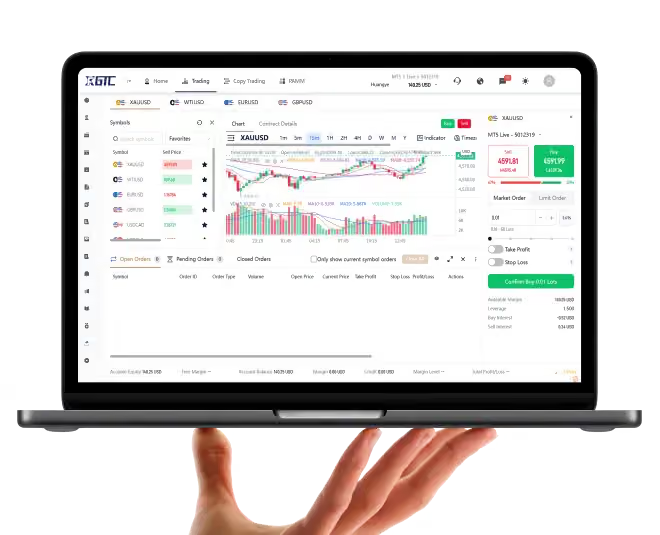
For many traders, opening a CFD position seems simple. You select an instrument, choose a position size, click buy or sell, and wait for the trade to appear in your account. Behind that single click, however, several processes take place before an order becomes an open position.
Understanding this process can help traders evaluate a CFD broker more effectively. It also explains why execution speed, pricing, liquidity, platform stability, and risk management tools matter when choosing a CFD trading platform.
CFD trading allows investors to speculate on the price movement of financial instruments without owning the underlying asset. Depending on availability and jurisdiction, markets can include forex, metals, energy, indices, shares, cryptocurrencies, commodities, and futures CFDs.
Step One: Selecting an Instrument and Checking the Price
The process begins when a trader selects an instrument on the trading platform. The platform displays bid and ask prices, which represent the prices available for selling and buying respectively.
The difference between these prices is known as the spread. For example, when trading a currency pair, the trader may see one price for selling and a slightly higher price for buying. This difference is one of the costs that traders should consider before entering a position.
A professional CFD trading platform should provide clear pricing information and allow traders to review important details such as contract specifications, margin requirements, and trading hours before placing an order.
GTCFX provides access to multiple CFD markets, including forex, energy, indices, metals, shares, crypto CFDs, and futures CFDs. Its trading environment supports platforms including MT4, MT5, and the GTC Go application, depending on account and regional availability.
Step Two: The Trader Sends a Buy or Sell Order
After reviewing the market, the trader chooses whether to go long or short. A long position seeks to benefit from a price increase, while a short position seeks to benefit from a price decrease.
The trader then specifies the position size and selects an order type. A market order generally seeks execution at the currently available market price, while pending orders can be used to enter the market at a predefined price.
This distinction is important because the requested price and the final execution price can sometimes differ, particularly when markets are moving quickly. Traders should therefore pay attention not only to advertised spreads but also to the broker’s overall execution conditions.
Step Three: Order Routing and Liquidity
Once an order is submitted, the trading system processes it and routes it according to the broker’s execution model and available liquidity.
Liquidity refers to the availability of buyers and sellers at different prices. Deeper liquidity can help support smoother execution, particularly when market activity increases or larger positions are being traded.
GTCFX states that its trading infrastructure uses liquidity connections and technology designed to support fast execution. The company also describes its execution model as NDD, or No Dealing Desk, with execution times of under 10 milliseconds under its stated conditions.
For traders, the practical point is that execution quality should be assessed as part of the overall trading environment rather than by looking at spread figures alone.
Step Four: The Order Becomes an Open Position
After the order is executed, the platform records the position in the trading account. The trader can then monitor the entry price, current market price, floating profit or loss, margin, and other relevant information.
At this stage, risk management becomes especially important. Traders can use tools such as stop loss and take profit orders to define potential exit levels. These tools do not remove market risk, but they can help establish a more structured approach to position management.
Leverage also affects the trade. It allows traders to control a larger position with a smaller amount of capital, but it can increase both potential gains and potential losses. GTCFX notes that leverage availability depends on factors such as account type, instrument, position size, and applicable regional requirements.
Why Platform Performance Matters
A CFD trading platform is more than a charting interface. Its stability and order processing capabilities can directly affect the trading experience.
For active traders, delays can become more noticeable when markets move rapidly. A platform should therefore provide reliable access to market prices, order management functions, account information, and risk controls across the devices a trader uses.
GTCFX supports MT4 and MT5, while also offering its GTC Go application. Its platform selection is designed to support desktop, web, and mobile trading, giving users different ways to access their accounts.
MT4 is widely used for forex and CFD trading, while MT5 provides additional analytical features and broader multi-asset functionality. Choosing between platforms should depend on the trader’s preferred tools, strategies, and level of experience rather than simply selecting the newest option.
What Should Traders Check Before Choosing a CFD Broker?
Understanding order execution provides a useful framework for comparing a CFD broker. Instead of focusing on a single advertised feature, traders should examine the complete trading environment.
Pricing is one consideration. Traders should understand spreads, commissions, overnight charges, and other applicable costs. Execution is another factor, particularly for strategies that depend on timely order processing.
Regulatory status and the specific entity providing services are also important. GTCFX explains that its services operate through different entities and that the applicable contracting entity depends on factors such as jurisdiction and eligibility. Traders should review the regulatory information and client agreement relevant to their location before opening an account.
Risk disclosure should receive equal attention. CFD trading involves significant risk, and leverage can magnify losses as well as gains. Traders should only use funds they can afford to lose and should understand the product before committing capital.
Practising the Full Trading Process
For beginners, a demo account can provide a practical way to understand how orders work without immediately exposing real capital to market movements.
GTCFX offers a demo environment with virtual funds and access across desktop, web, and mobile platforms. This allows traders to practise placing orders, monitoring positions, testing platform functions, and becoming familiar with market movements before considering live trading.
The goal of demo trading should not simply be to generate simulated profits. It should help users understand execution, position sizing, margin, order types, and risk management in a controlled environment.
Making the Trading Process Easier to Understand
A CFD order may begin with one click, but the journey from price selection to executed position involves pricing, order processing, liquidity, execution technology, and account management. Understanding these stages helps traders ask more relevant questions when comparing brokers and platforms.
GTCFX provides access to a range of CFD markets and trading platforms, together with account options designed for different trading approaches.
For anyone evaluating a CFD broker or choosing a CFD trading platform, the most useful approach is to look beyond a simple interface. Examine execution conditions, trading costs, available markets, platform functionality, regulatory information, and risk controls. A clear understanding of how an order moves from click to execution can ultimately help traders make more informed decisions about the tools and services they choose.
