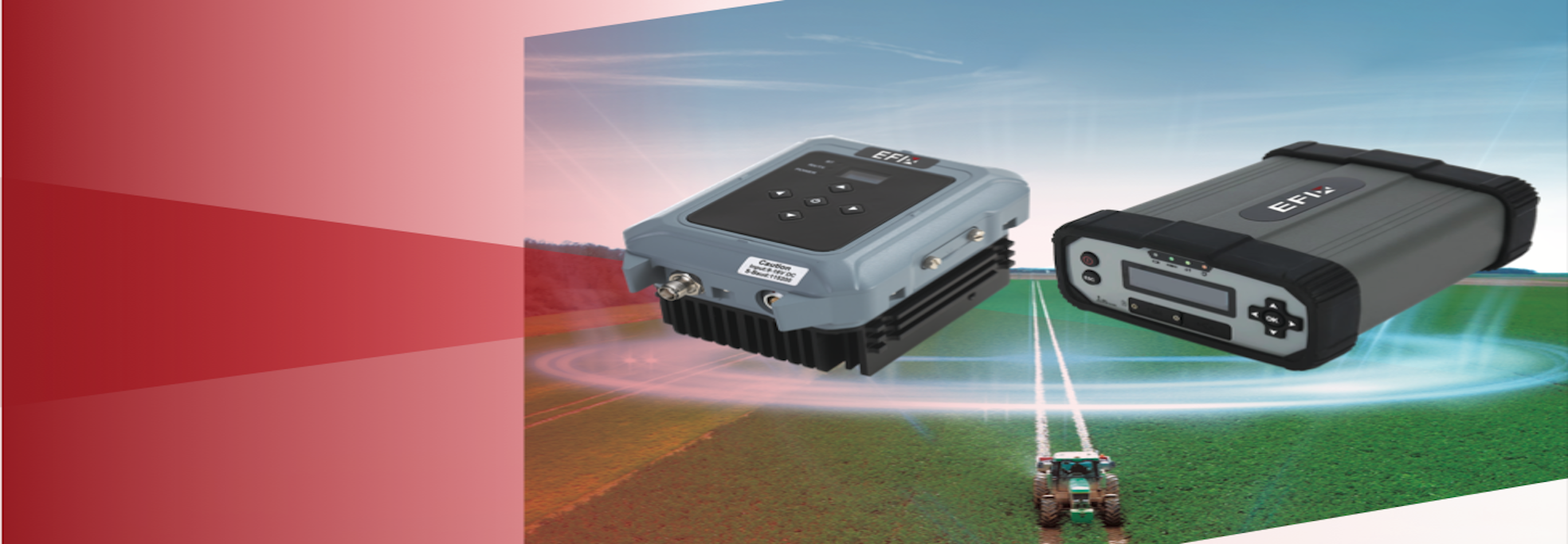
Modern agriculture and surveying projects require accurate positioning data to support daily operations. As equipment becomes more connected, positioning technology plays an important role in improving workflow efficiency and reducing manual errors.
RTK technology is widely used in fields such as agriculture, construction, and mapping because it provides more accurate location information than standard GNSS positioning. It helps users obtain more detailed positioning data for different applications.
A reliable positioning system depends on several factors, including signal stability, data communication, correction services, and compatibility with different equipment. These elements work together to influence positioning performance in real working environments.
Understanding the features of modern positioning devices helps users choose suitable solutions for their working environments. In this area, EFIX focuses on developing positioning technologies for agricultural applications and provides solutions designed for precise machine operation.
Understanding the Role of an RTK Base Station in Precision Positioning
An RTK base station is an important part of Real-Time Kinematic positioning systems. It receives signals from navigation satellites and calculates correction information. These corrections are then sent to mobile receivers, helping them improve positioning accuracy during operation.
Unlike standard GNSS devices, RTK systems use correction data to reduce positioning errors caused by satellite signals and environmental factors. This technology is commonly applied in agricultural machinery guidance, land measurement, and automated equipment control.
Stable Signal Transmission Supports Reliable Field Operations
One important feature of modern RTK systems is stable communication between the base station and connected devices. The quality of correction data transmission directly affects positioning performance, especially in large outdoor working areas where equipment needs continuous location information.
A well-designed RTK base station should support consistent data communication methods and adapt to different application conditions. In agricultural environments, stable signals help machinery maintain planned routes during operations such as planting, spraying, and field management.
Correction Data Accuracy and Multi-Environment Adaptability
RTK systems need accurate correction information to support precise positioning tasks. The base station collects satellite signals from multiple sources and provides correction data to compatible receivers. This process helps reduce the influence of positioning errors during outdoor operations.
Environmental conditions can affect satellite signal reception. Factors such as nearby buildings, trees, and terrain changes may influence performance. Therefore, modern systems often focus on improving signal reception and maintaining stable operation in different working environments.
Compact Design and Easy Installation for Agricultural Use
Agricultural equipment often works in changing environments, so installation flexibility is an important consideration. A practical positioning solution should be convenient to install and integrate with existing machinery systems.
For agricultural users, equipment size, power requirements, and connection methods can influence daily operation. Solutions with a suitable design can help reduce installation difficulties and allow farmers or service providers to manage equipment more efficiently.
Exploring the Features of EFIX F-NET Pro for Agricultural Positioning
When discussing modern RTK solutions, EFIX provides the F-NET Pro as a GNSS correction service solution designed for precision agriculture applications. The product supports RTK positioning workflows by providing correction data services for compatible agricultural equipment.
- NET Pro is designed to support stable positioning needs in farming scenarios. It works with agricultural navigation systems and helps improve the accuracy of machine operations. Through GNSS technology and correction data support, it can be used in applications that require precise positioning information.
Connectivity Options Improve System Integration
Modern positioning systems need to work with different devices and communication networks. Flexible connectivity allows users to connect base stations, receivers, and agricultural control systems according to specific project requirements.
For agricultural machinery manufacturers and solution providers, compatibility is also an important factor. Integrated positioning solutions can support the development of automated farming equipment and help create more connected agricultural workflows.
Data Management and Smart Farming Development
The development of smart farming has increased demand for accurate location data. Positioning systems provide basic information that supports automated machinery operation, field planning, and resource management.
By combining GNSS technology with digital agriculture platforms, users can collect more detailed operational information. This allows agricultural businesses to understand field activities and make adjustments based on practical working conditions.
Choosing Suitable RTK Equipment for Different Applications
Selecting an RTK system requires consideration of several factors, including working area size, communication distance, equipment compatibility, and operational requirements. Different industries may have different expectations for positioning solutions.
Agricultural users should consider how the equipment fits into existing machinery and farming processes. A suitable system should match practical needs instead of focusing only on technical specifications.
Future Development of Precision Positioning Technology
Precision positioning technology continues to develop as industries adopt more automated equipment. In agriculture, accurate location information supports smarter machinery operation and improves the connection between equipment and digital management systems.
As a company focused on agricultural positioning solutions, EFIX continues to provide technologies that support modern farming applications. Their solutions show how GNSS and RTK technologies can be applied in practical agricultural environments.
Supporting More Accurate Agricultural Operations Through RTK Technology
Modern positioning systems combine satellite technology, correction services, and communication functions to support accurate operations. An RTK base station remains an important component in these systems because it provides correction information for improved positioning performance.
From agricultural machinery guidance to smart farming applications, RTK technology helps users manage field operations with more precise location data. Understanding system features and application requirements allows businesses to select suitable solutions for their projects.
