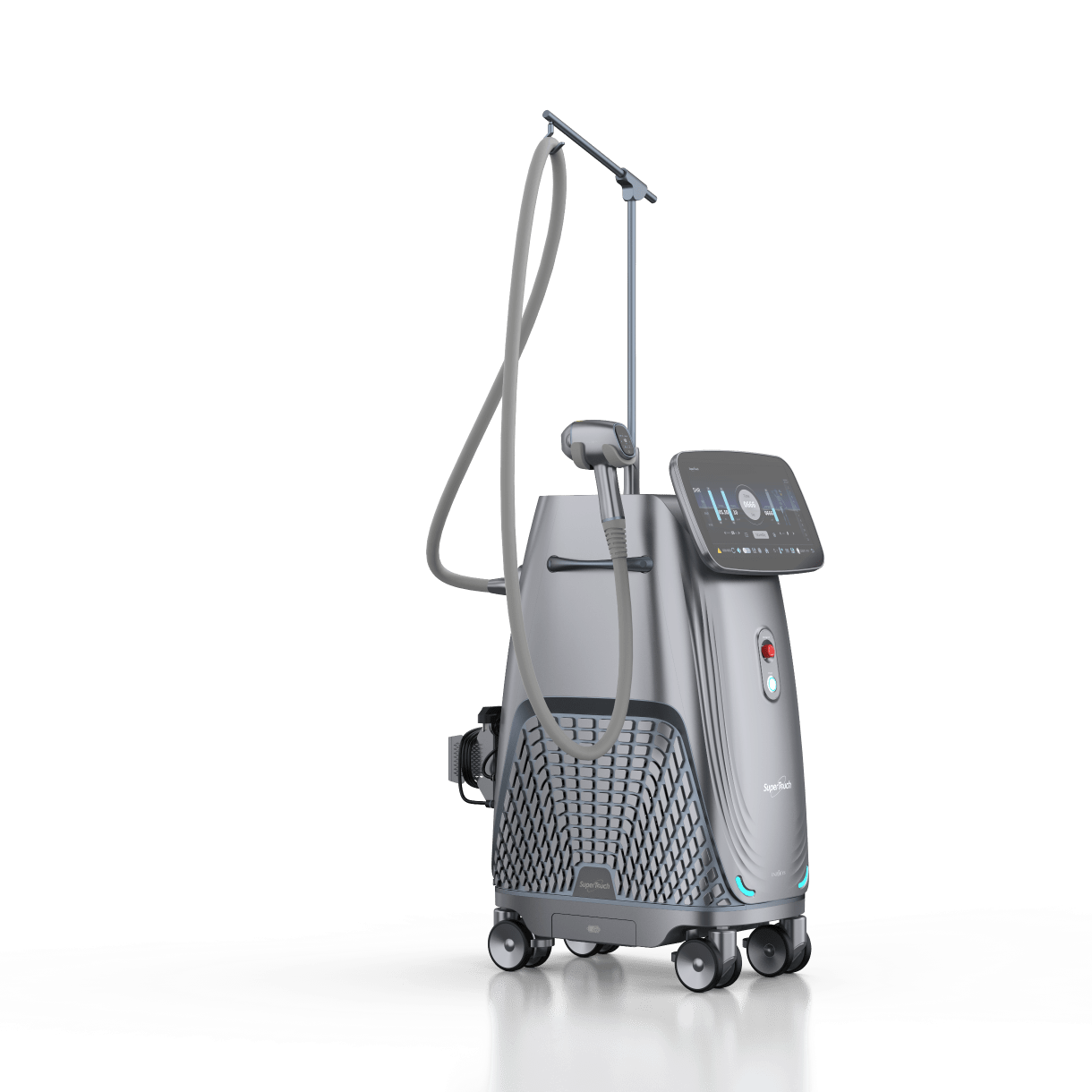
Aesthetic practitioners navigating the rapidly expanding cosmetic industry must evaluate how device specifications translate to safety and clinical efficacy. Incorporating professional aesthetic medical equipment allows modern practices to elevate patient outcomes while maintaining operational efficiency. Systems engineered for targeted treatments offer versatility without compromising safety parameters. Devices such as the ENZOEYS SuperTouch S500 embody this approach through multiple treatment modes and configurable operating settings for different aesthetic applications.
Understanding the fundamental operational boundaries of these optical systems remains essential for facility operators selecting clinical tools. Distinguishing light-based platforms requires an evaluation of engineering parameters, light interaction, and treatment intentions.
Technical Specifications and Energy Delivery Mechanisms
Light-based devices rely on carefully calibrated light sources to deliver targeted thermal energy to biological tissue. Medical-grade laser systems may use specific wavelengths selected for defined clinical applications and tissue interactions. Some medical-grade platforms are designed to deliver concentrated energy for specialized clinical procedures.
In contrast, aesthetic laser equipment often emphasizes controlled energy delivery across routine cosmetic applications. The ENZOEYS SuperTouch S500 uses a 1500W diode laser configuration designed for aesthetic treatment applications. Its multi-wavelength configuration supports different aesthetic treatment requirements within the same platform.
Wavelength Selection and Multi-Spectrum Capabilities
Monochromatic lasers output a specific wavelength designed for targeted absorption, such as 1064nm for deep tissue targeting. These fixed-wavelength devices perform focused tasks effectively, though they require clinics to purchase multiple units for distinct skin concerns.
Modern medical aesthetics equipment addresses this limitation through multi-wavelength configurations. The ENZOEYS SuperTouch S500 combines 755nm, 808nm, and 1064nm diode laser wavelengths within one platform for different aesthetic treatment requirements. Multi-spectrum delivery allows uniform absorption across epidermal and dermal layers during skin rejuvenation and hair reduction procedures.
Epidermal Protection and Cooling Integration
High-energy medical procedures often necessitate advanced surface cooling or external cryogenic agents to avoid epidermal burns. Uncontrolled thermal diffusion can trigger hyperpigmentation, particularly in higher Fitzpatrick skin phototypes, requiring precise temperature control during treatment. This is especially critical when treating darker skin types, where even minor temperature overshoots can result in long-lasting pigmentary changes that are difficult to correct.
Cosmetic platforms integrate contact cooling mechanisms directly into the handpiece to lower surface temperatures during radiation. Continuous cooling shields the stratum corneum while allowing target chromophores to absorb required energy levels. Integrated temperature monitoring reduces treatment discomfort and supports safer parameter adjustments across varied skin tones.
Beam Spot Adjustment and Precision Control
Surgical and specialized medical lasers rely on fixed spot sizes tailored to precise target zones. While effective for localized vascular lesions or structural remodeling, fixed optics can limit speed when treating broader body areas.
Conversely, versatile aesthetic medical equipment incorporates customizable optics to enhance operational flexibility. Systems equipped with 4 changeable spot sizes allow operators to switch seamlessly between small facial zones and larger body areas. Modifying the beam footprint optimizes energy delivery, ensuring deeper light penetration for thicker structures while maintaining efficiency across larger treatment surfaces.
Dual-Mode Versatility and Regulatory Classifications
Surgical-grade lasers operate under strict medical regulatory classifications, restricting their use to licensed physicians perform invasive procedures. These specialized systems excel at targeted ablation, deep vascular coagulations, and intensive tissue remodeling.
In contrast, modern medical aesthetics equipment caters to broader clinical workflows by offering multi-application modes within a single interface. Practitioners can freely switch between hair removal & skinrejuvenation modes without switching platforms. This flexibility allows facilities to expand service menus and optimize equipment utilization without sacrificing treatment precision.
User Interface Options and Operational Adaptation
Medical lasers historically featured complex, manual interfaces designed primarily for specialized clinical environments. These setups require detailed manual input for pulse width, fluence, and frequency settings prior to starting procedures.
Modern clinical platforms streamline workflows with responsive control interfaces that adjust to operator preferences. Devices featuring horizontal and vertical UI interface selection design allow practitioners to reconfigure display orientations based on treatment room layouts. Ergonomic control displays improve operator posture, reduce setup times, and minimize setting adjustments between diverse client treatments.
Practical Applications Across Clinical Environments
The appropriate laser platform depends primarily on a facility’s treatment scope, clinical requirements, and workflow. Medical-grade systems may be selected for specialized clinical procedures that require specific treatment capabilities.
By comparison, aesthetic laser equipment is often selected for flexible, repeatable cosmetic applications across different treatment areas. Equipment capable of supporting both rapid hair reduction and gentle skin rejuvenation simplifies staff training while reducing overall footprint. Selecting adaptable light-based systems helps practices optimize space, control operational costs, and maintain consistent treatment standards.
Conclusion
Choosing between targeted surgical lasers and adaptable cosmetic platforms depends on a facility’s clinical scope and patient demographic. While specialized medical laser systems may be designed for specific clinical procedures, modern multi-wavelength aesthetic systems can provide greater flexibility for non-invasive cosmetic applications. ENZOEYS devices such as the SuperTouch S500 demonstrate how cooling, interchangeable spot sizes, and multiple treatment modes can support flexible aesthetic workflows.
