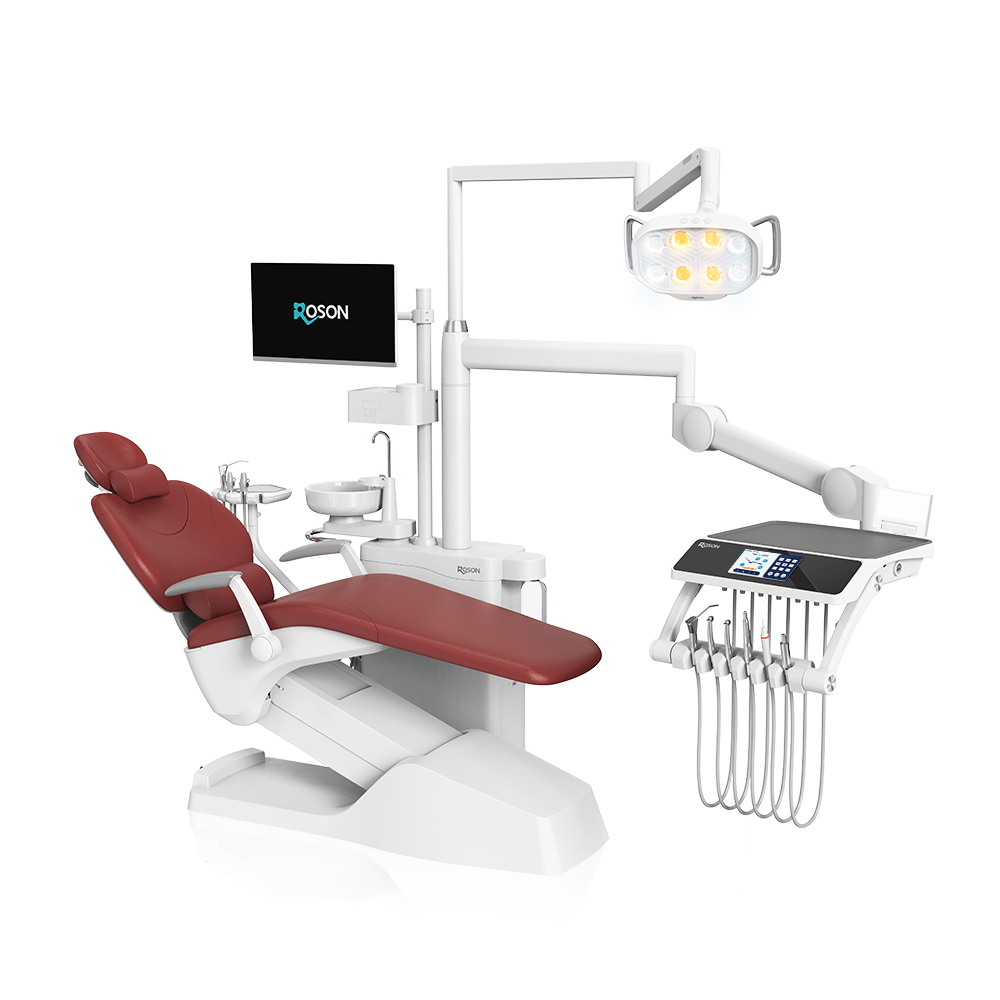
Buying equipment for a dental clinic involves more than comparing catalog prices. A chair may look suitable in photographs yet prove awkward for the dentist, difficult to clean, or poorly matched to the room’s utilities. For buyers reviewing dental clinic equipment for sale, the real decision is whether the selected configuration will work reliably within the intended treatment workflow.
A practical evaluation therefore starts with the clinic rather than the product brochure. The following ten checks help buyers narrow their choices, identify hidden requirements, and compare suppliers on factors that affect everyday operation.
- Define the Treatment Workflow Before Comparing Products
Start by identifying the procedures the room will support. General dentistry, restorative work, endodontics, surgery, and teaching environments can require different instrument arrangements and positioning preferences.
A dental equipment supplier should be able to discuss the intended workflow rather than simply present a standard configuration. The goal is to establish which instruments must remain within easy reach and how the dentist and assistant will move around the patient.
- Check the Equipment Package, Not Just the Chair
A dental chair rarely operates as an isolated product. A complete treatment setup may involve the chair, delivery system, dental light, suction, air compressor, stool, handpieces, and other equipment.
Buyers should therefore check exactly what is included in the quotation and what must be purchased separately. Product pages can reveal substantial configuration differences between models, including delivery arrangements, suction systems, foot controls, lighting, and water functions.
- Match the Configuration to the Treatment Room
Room dimensions and service connections should be checked before an order is finalized. The position of the chair, instrument delivery system, assistant area, water connection, drainage, compressed air, and electrical supply can influence installation.
Some units offer different instrument-placement configurations. For example, available arrangements can include over-the-patient, swing-mounted, or cart-mounted delivery, so the preferred layout should be confirmed before purchasing.
- Examine Ergonomics and Daily Controls
A chair’s value becomes apparent through repeated daily movements. Dentists should evaluate patient positioning, headrest adjustment, armrest access, instrument reach, foot control operation, and the amount of unnecessary body movement required during treatment.
Ergonomic design should serve both sides of the treatment area. The patient needs practical positioning and access, while clinicians need controls and instruments arranged around their working posture. Supplier guidance also identifies ergonomics as a central factor in dental-chair selection.
- Inspect Cleaning and Infection-Control Features
Cleaning requirements should be assessed before purchase, not after installation. Buyers should examine whether surfaces are easy to wipe, whether removable components can be accessed conveniently, and how suction filters, spittoons, and water-related components are maintained.
For example, one current unit configuration uses a detachable suction filter designed for easier cleaning, while its spittoon can be removed and rotated. Such design details can matter more to daily maintenance than decorative features.
- Verify Utilities and Installation Requirements
Equipment cannot perform correctly if the clinic cannot support its required utilities. Before selecting dental clinic equipment for sale, buyers should obtain installation documentation covering dimensions, connection points, electrical requirements, water supply, drainage, and compressed-air arrangements applicable to the chosen configuration.
Installation planning should also involve the supplier. Roson provides installation and operation support resources, while its product documentation includes visual installation information for selected dental units.
- Assess Build Quality Through Functional Testing
Photographs and specifications provide useful starting information, but physical testing can reveal issues that a brochure cannot. Buyers or distributors should operate the chair, adjust its moving sections, test controls, inspect the instrument tray, and evaluate the stability of components.
A useful test should focus on actual operating movements rather than appearance. Supplier guidance similarly recommends checking chair movement, component stability, treatment-table functions, and overall workmanship before purchase.
- Review Customization and Future Expansion
A clinic may not need every available function immediately. However, configuration flexibility can become valuable when treatment requirements change or a practice expands.
Buyers should ask which instruments, upholstery options, delivery positions, controls, and accessories can be selected for the intended model. Current product information shows that some units provide choices for handpiece placement, upholstery, colors, and optional functions.
- Investigate Documentation, Warranty, and Support
A purchase should include more than equipment delivery. Installation instructions, operation manuals, maintenance information, spare-parts access, warranty terms, and after-sales communication all affect the practical risk of ownership.
A reliable dental equipment supplier should explain who handles technical questions after installation and how replacement components are obtained. Roson states that its support system covers installation, operation, maintenance, and after-sales assistance.
- Compare Suppliers on Total Purchasing Risk
Price is only one part of the purchasing equation. Two quotations with similar prices may represent very different levels of configuration, documentation, support, and customization.
For buyers comparing dental clinic equipment for sale, supplier evaluation should therefore include product traceability, manufacturing capabilities, available configurations, service resources, and clarity of the quotation. Roson describes a digital production base with quality traceability and paperless production management, giving buyers additional information to examine during supplier assessment.
Make the Purchase Decision From the Clinic Outward
The strongest buying process starts with the treatment room, then works outward to equipment configuration and supplier selection. Buyers can first define the procedures, workflow, room constraints, and required utilities before comparing models and quotations.
A final review should confirm that the chosen equipment supports the intended workflow, can be installed correctly, remains practical to clean, and comes with appropriate documentation and support. For B2B purchasers, that method turns dental equipment selection from a price comparison into a more controlled assessment of operational fit and purchasing risk.
